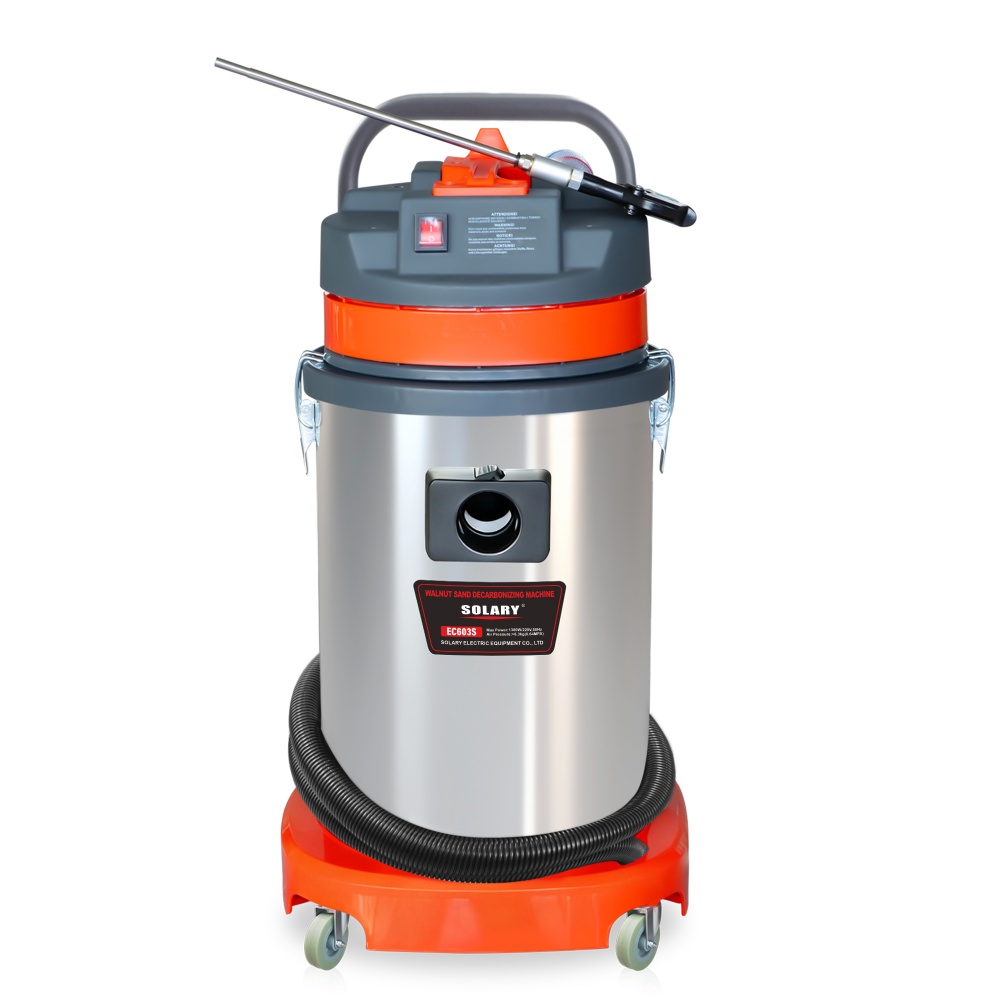
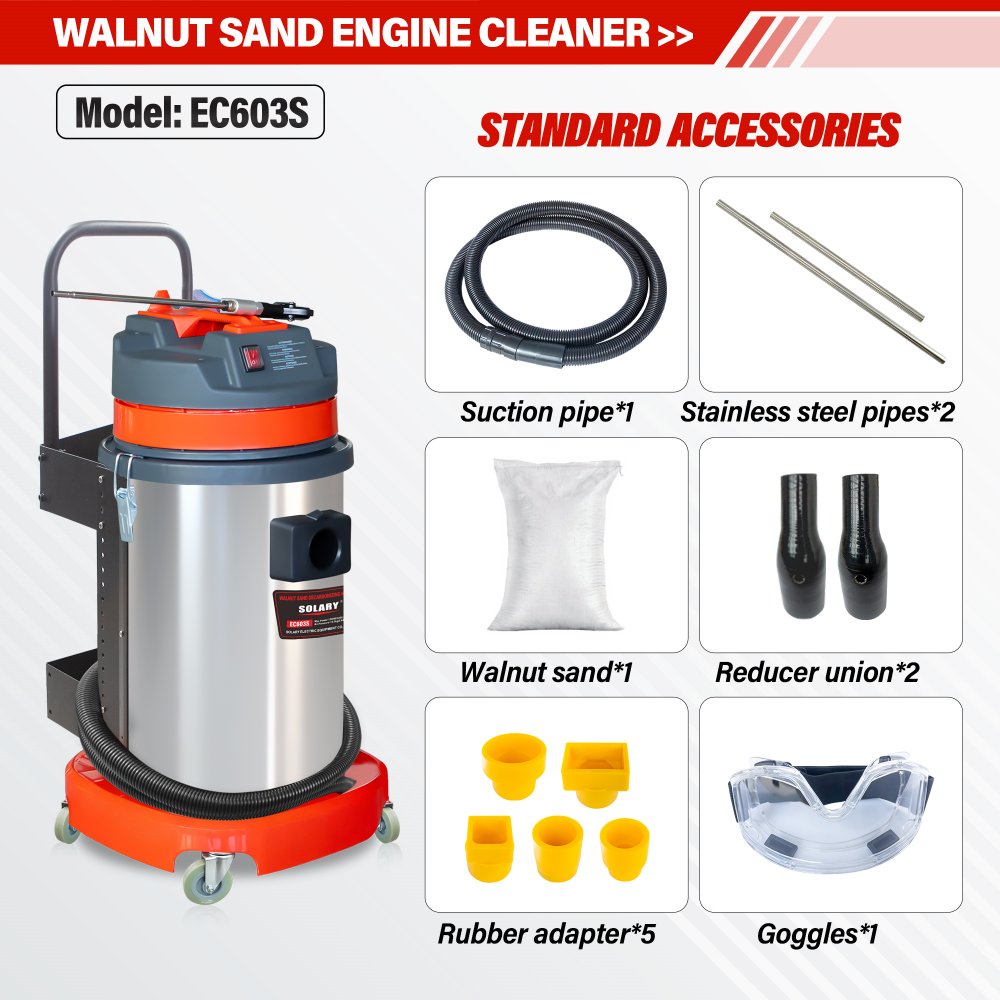


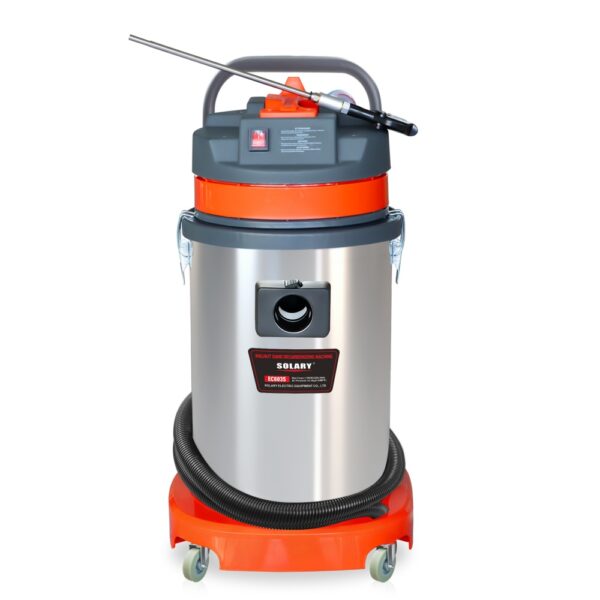
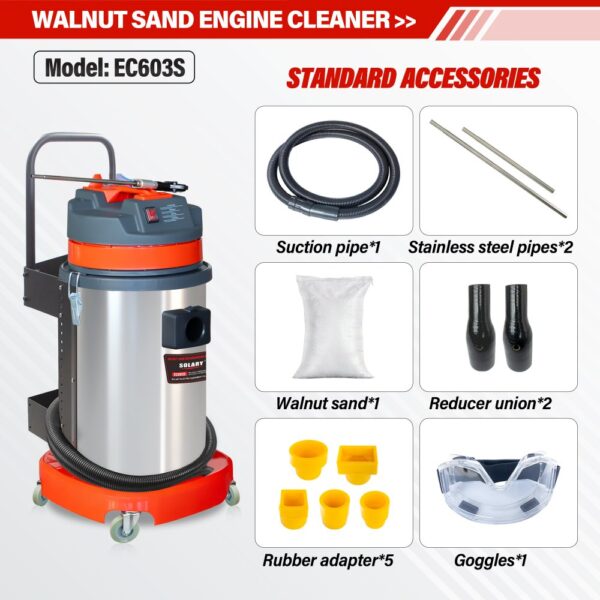


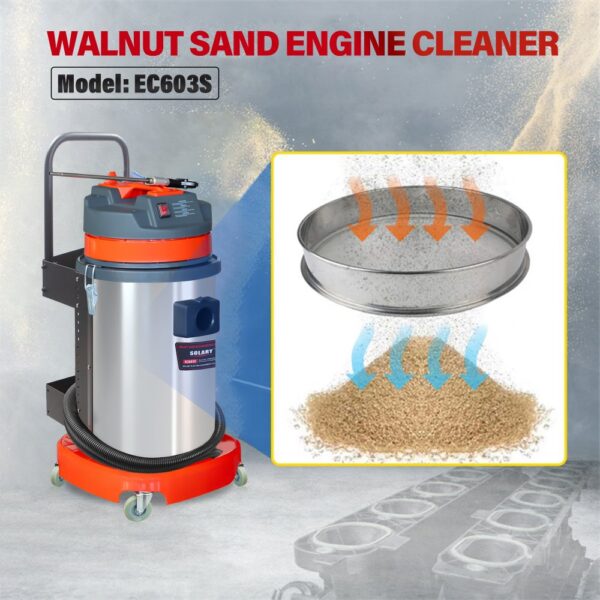
SOLARY EC603S Walnut Shell Engine Cleaner
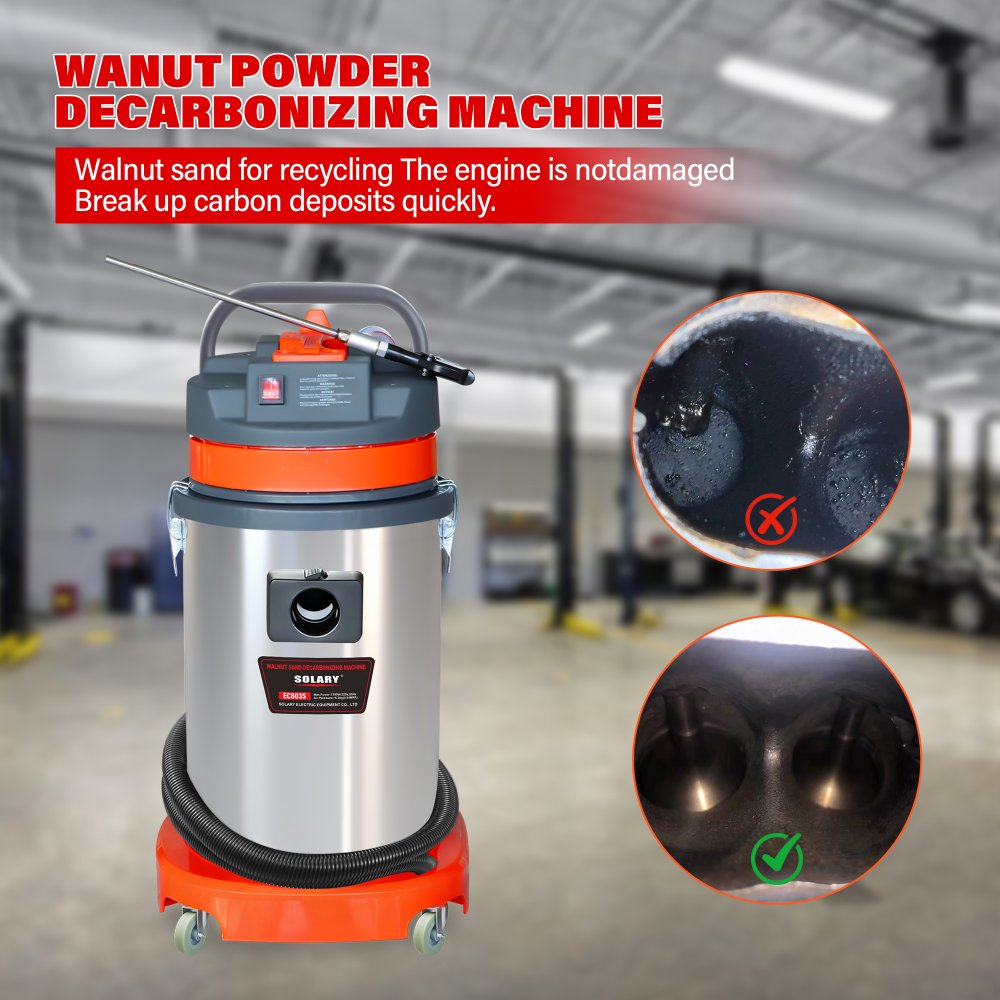
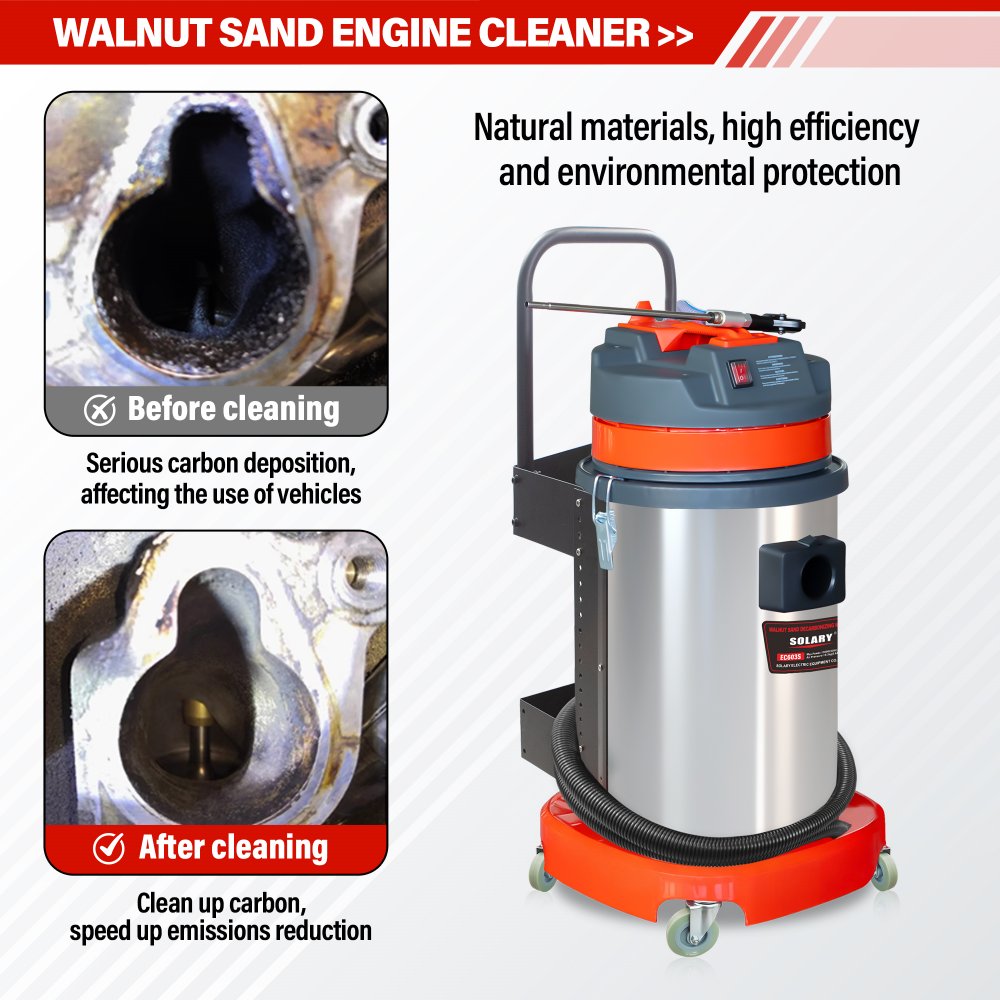
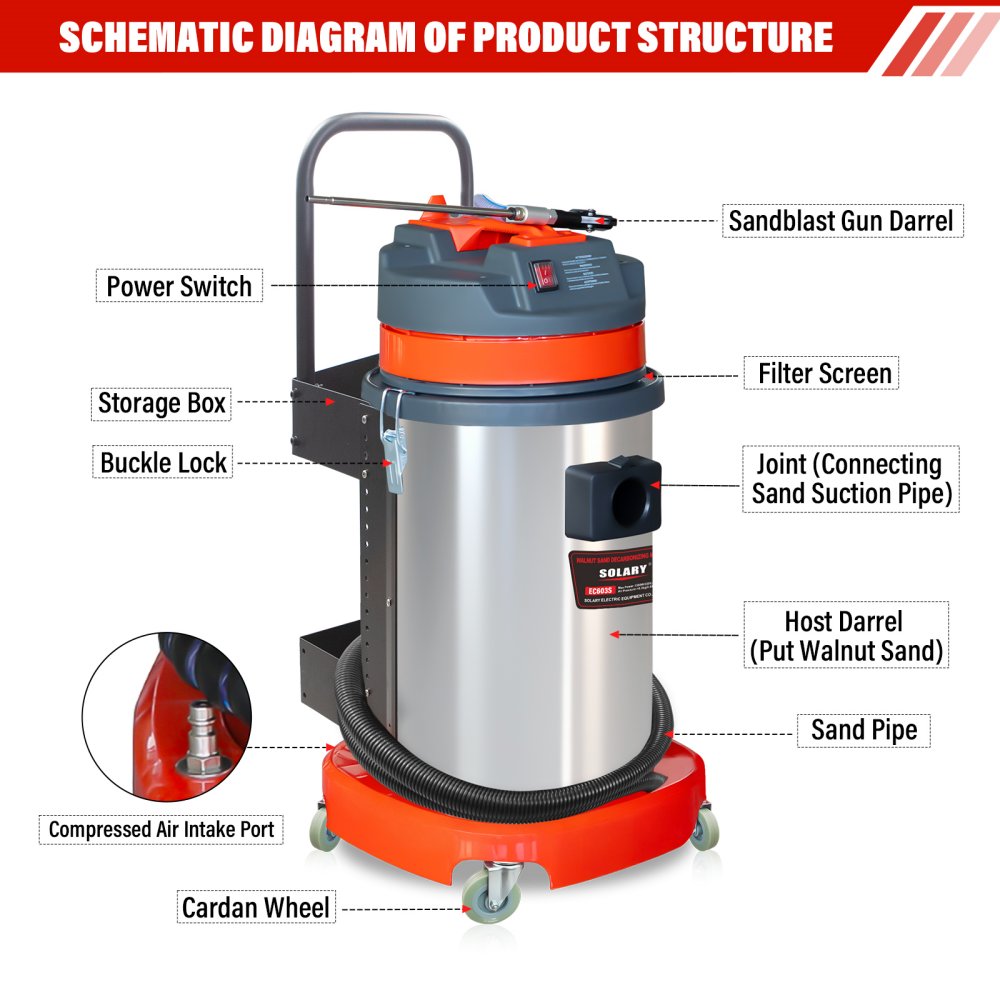
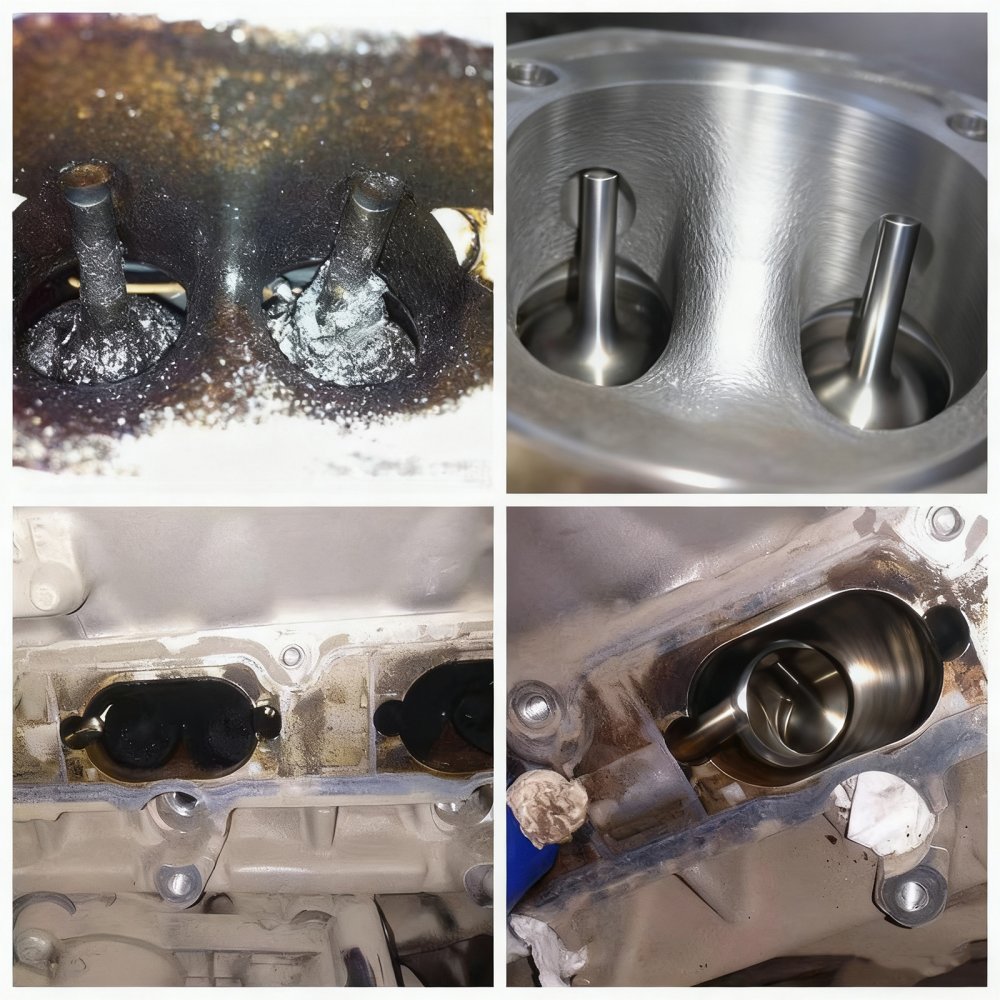
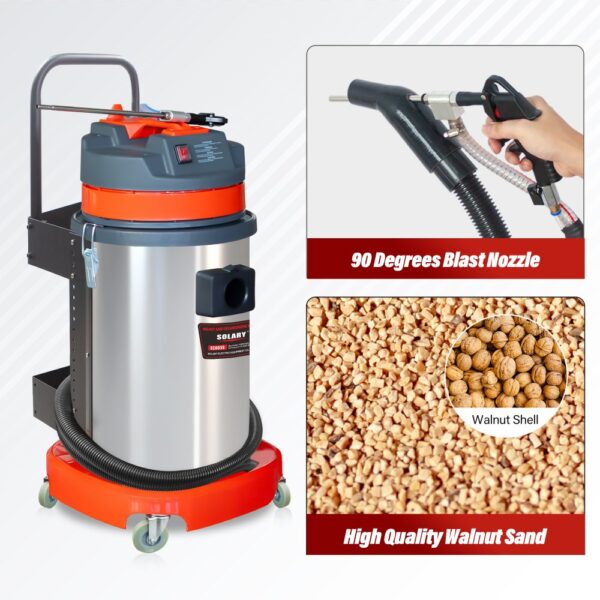
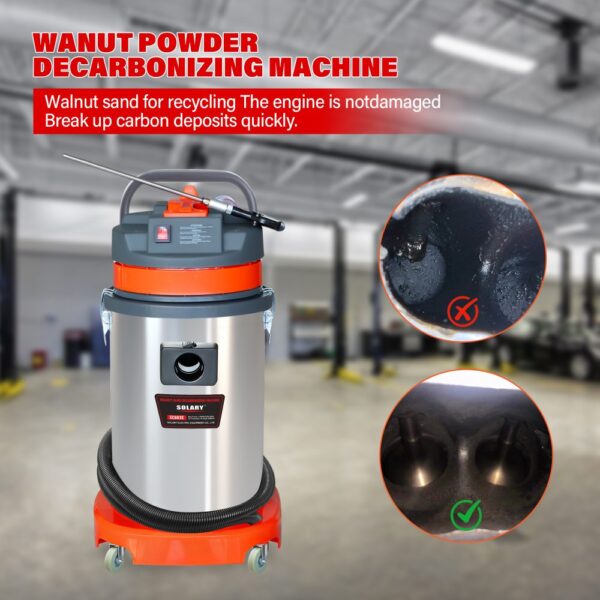
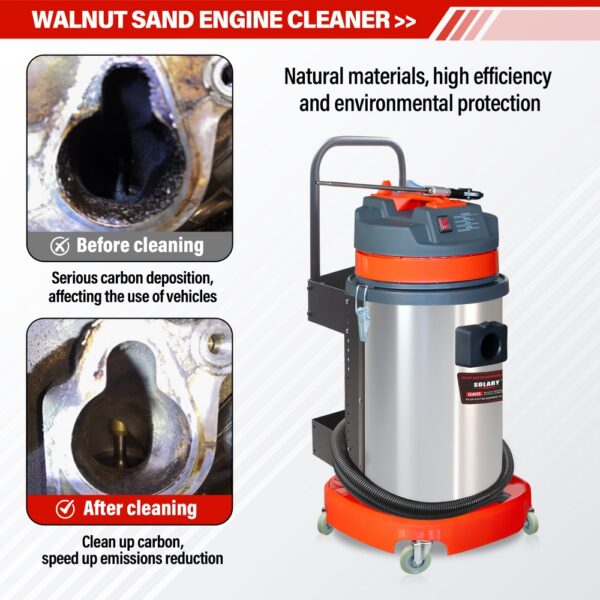
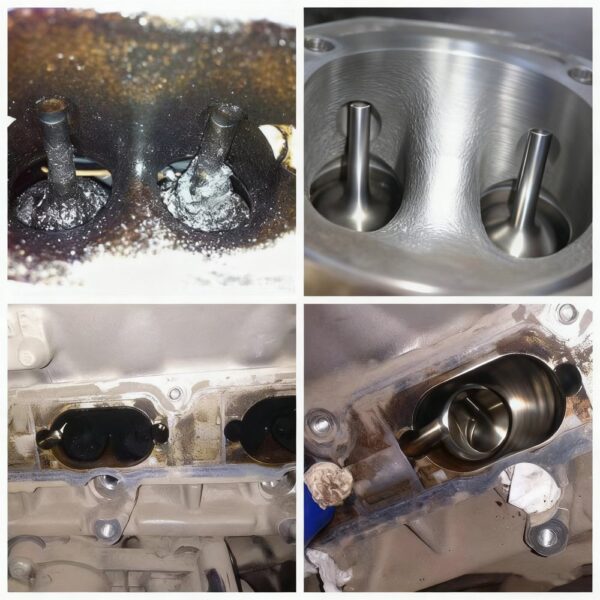
The carbon cleaning machine uses walnut shell blasting technology to safely and efficiently remove carbon deposits from engine intake and exhaust systems. High-speed walnut shell particles are propelled into the intake manifold, dislodging carbon from valves and cylinder walls, while the residue is collected through a dedicated recovery system. By repeating this process, carbon buildup on the intake valves and manifold can be thoroughly removed — all without disassembling major engine components. This ensures a fast, efficient, and safe cleaning process.

What is Walnut Shell Abrasive?
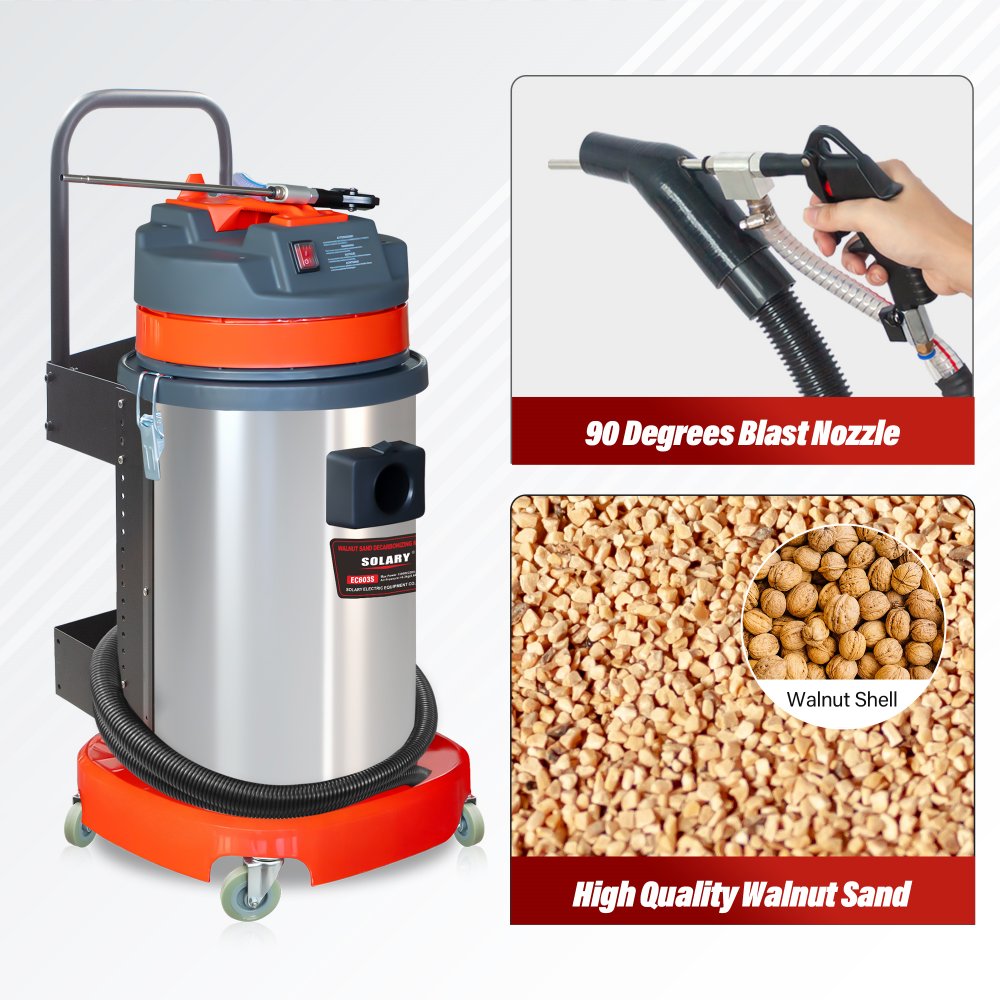
Walnut shell abrasive is made by crushing walnut shells, which are then carefully screened and graded into fine particles. It
features a microporous structure, offering excellent adsorption and dirt retention capabilities. Walnut shell abrasive has high hardness, high pressure resistance, and wear resistance, and it does not cause corrosion or contamination on the workpiece or equipment surfaces. As a metal polishing medium, walnut shell abrasive is widely used in cleaning and repairing various machinery,especially in removing carbon deposits from automotive engines. The particle size typically ranges from 0.6 to 1.2 mm, and under normal conditions, it can be reused 5 to 10 times, significantly reducing cleaning costs.
What is Carbon Deposition?
Carbon deposition, also known as carbon buildup, occurs when fuel is incompletely burned, leaving hydrocarbon residues that adhere to the engine’s intake ports and cylinder walls. Under high-temperature conditions, these residues harden into a black, tough
shell, forming carbon deposits. Over time, these deposits negatively affect engine efficiency and performance.
What is Carbon Deposition?
Carbon deposition, or carbon buildup, occurs when incomplete combustion leaves hydrocarbon residues that adhere to engine intake ports and cylinder walls. These residues harden into tough, black deposits, affecting engine performance.
Why Clean Carbon Deposits?
Carbon buildup can decrease engine power, increase fuel consumption, and cause idle shaking. It can also shorten engine lifespan and increase maintenance costs. Cleaning is recommended every 40,000 to 50,000 kilometers for optimal performance.
Air Compressor Requirements
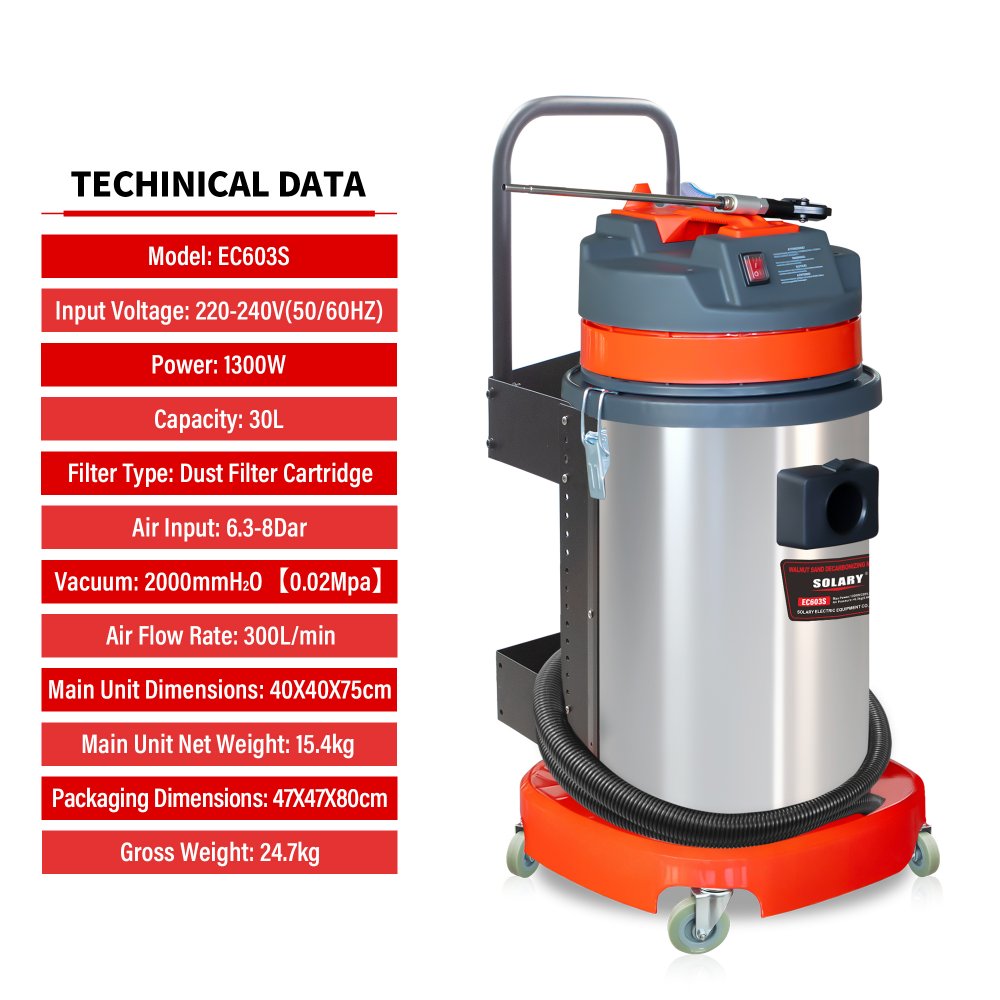
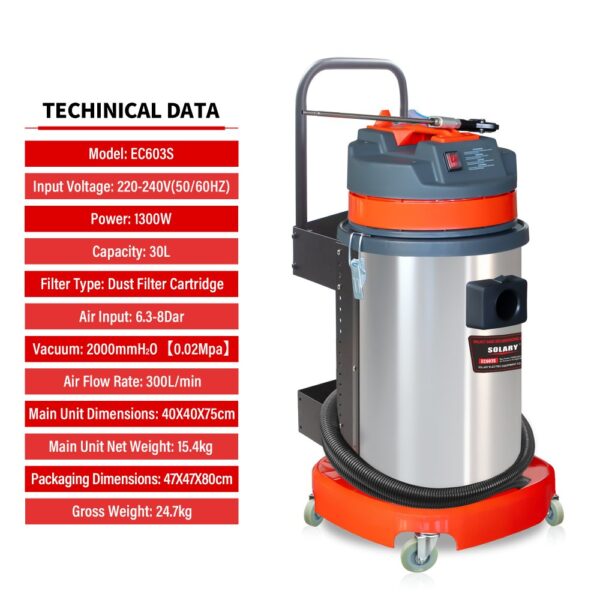
For effective cleaning, use an air compressor with a pressure of 0.7 MPa (6 bar) or higher, equipped with a drying filter to
prevent moisture from affecting the walnut shell abrasive.
For effective cleaning, use an air compressor with a pressure of 0.7 MPa (6 bar) or higher, equipped with a drying filter to
prevent moisture from affecting the walnut shell abrasive.
How to Use the EC603S Walnut Shell Cleaning Machine?
Step 1: Open the top cover and pour in 2 to 4 kg of walnut shell powder. Secure the dust cover and close the lid.
Step 2: Connect the spray gun nozzle to the hose.
Step 3: Remove the engine intake manifold and insert the spray gun. Close the intake valve by rotating the crankshaft, then
connect the high-pressure air pump (not included).
Step 4: Plug in the AC power and start cleaning for 1-3 minutes, depending on carbon buildup.
Step 5: Turn off the machine and check the result. The walnut shell abrasive can be reused 5-10 times.
Step 1: Open the top cover and pour in 2 to 4 kg of walnut shell powder. Secure the dust cover and close the lid.
Step 2: Connect the spray gun nozzle to the hose.
Step 3: Remove the engine intake manifold and insert the spray gun. Close the intake valve by rotating the crankshaft, then
connect the high-pressure air pump (not included).
Step 4: Plug in the AC power and start cleaning for 1-3 minutes, depending on carbon buildup.
Step 5: Turn off the machine and check the result. The walnut shell abrasive can be reused 5-10 times.
Tips:
1. Wear Protective Goggles: Always wear goggles to protect your eyes from debris.
2. Particle Size: Use walnut shell abrasive with a particle size of 0.6 to 1.2 mm for best results.
3. Reuse: Walnut shell abrasive can be reused 5 to 10 times. Clean and store after use.
1. Wear Protective Goggles: Always wear goggles to protect your eyes from debris.
2. Particle Size: Use walnut shell abrasive with a particle size of 0.6 to 1.2 mm for best results.
3. Reuse: Walnut shell abrasive can be reused 5 to 10 times. Clean and store after use.


Reviews
There are no reviews yet.